PETRA
The Rose-Red City Half as Old as Time
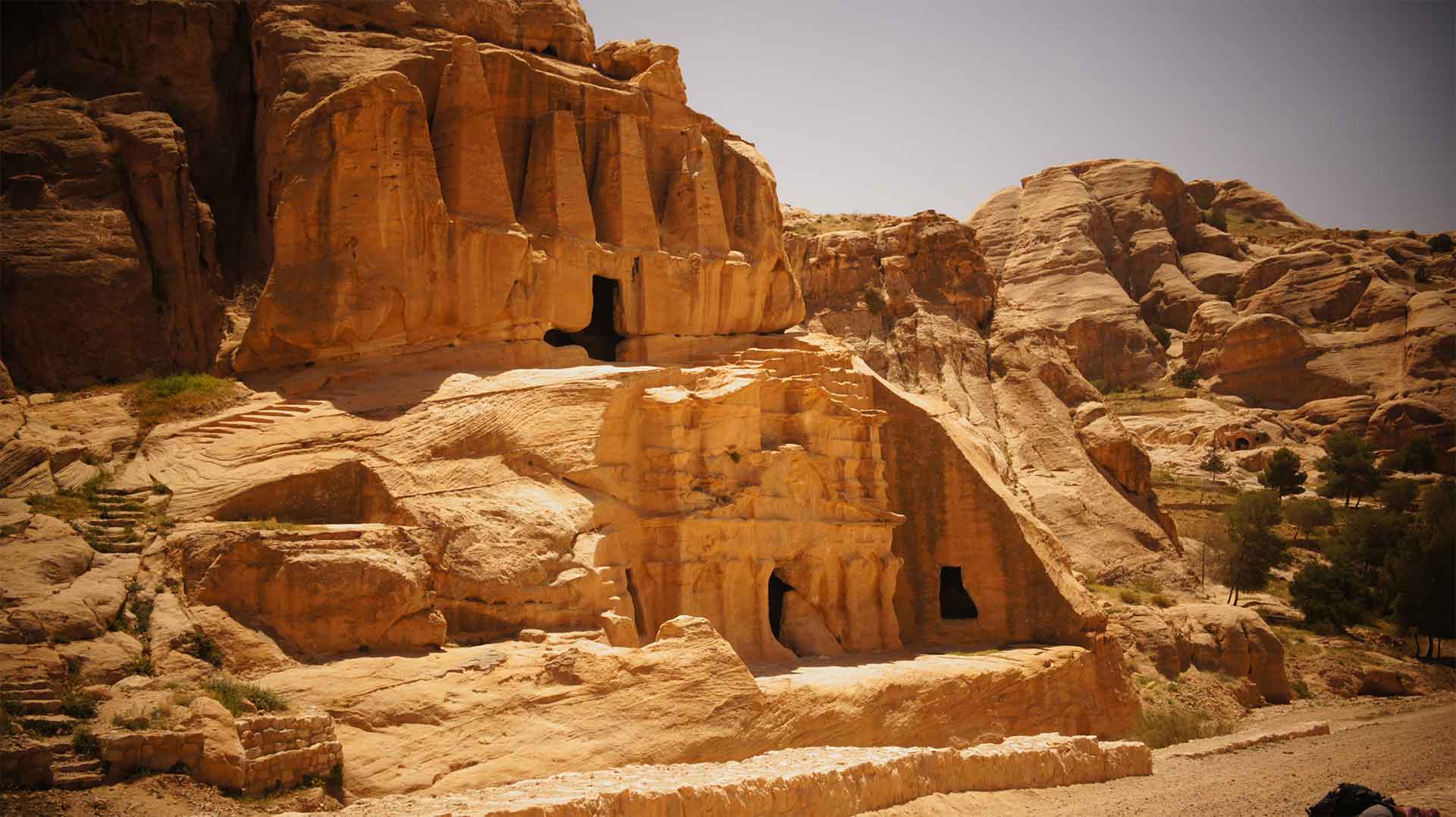
A City Carved in Rock
Established possibly as early as 312 BC as the capital city of the Arab Nabataeans, it is a symbol of Jordan, as well as Jordan's most-visited tourist attraction.
The Nabataeans were nomadic Arabs who capitalized on Petra's proximity to the trade routes by establishing it as a major regional trading hub.
Designated a UNESCO World Heritage site in 1985 and chosen as one of the New Seven Wonders of the World in 2007, Petra remains an enduring testament to human ingenuity.
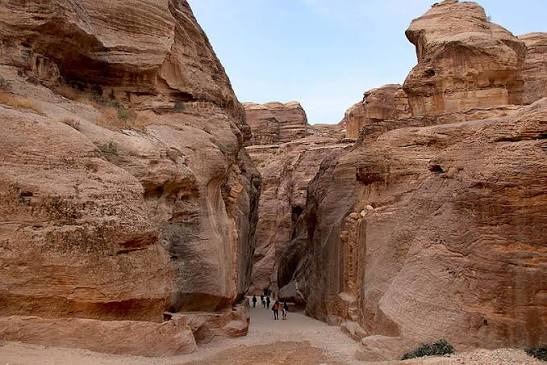
Journey Through
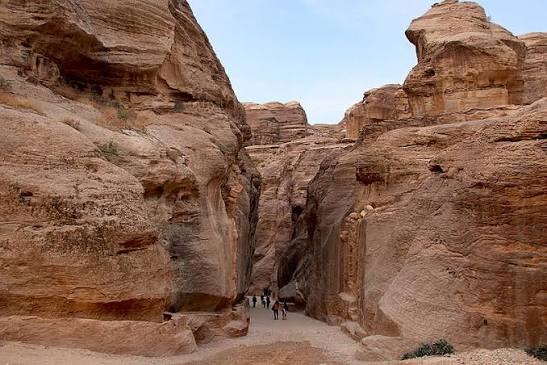
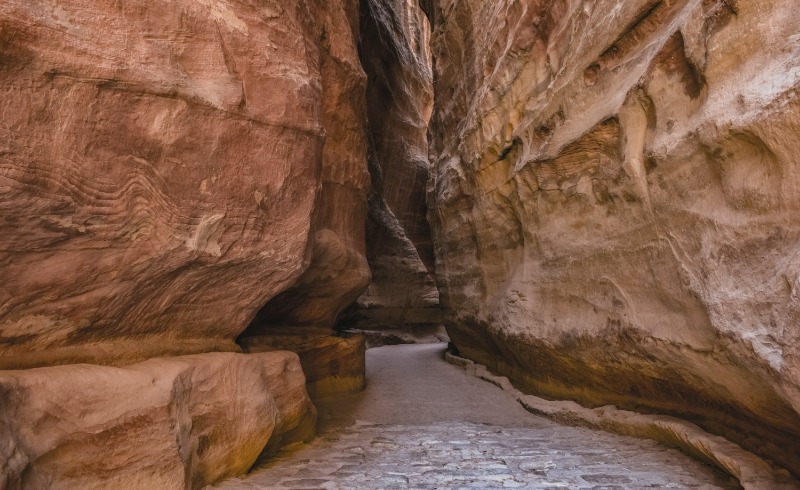
The Siq
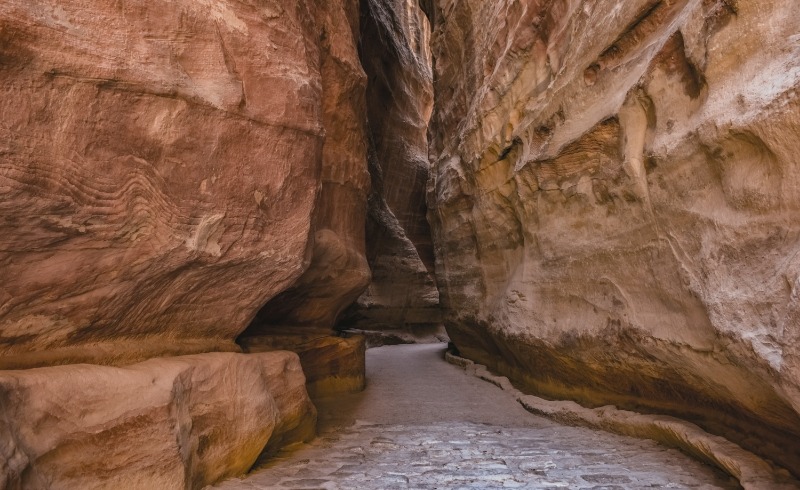
A narrow gorge stretching over a kilometer, flanked by soaring, 80-meter-high cliffs.
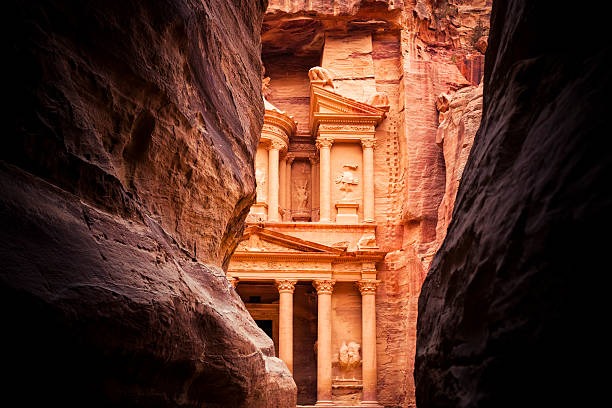
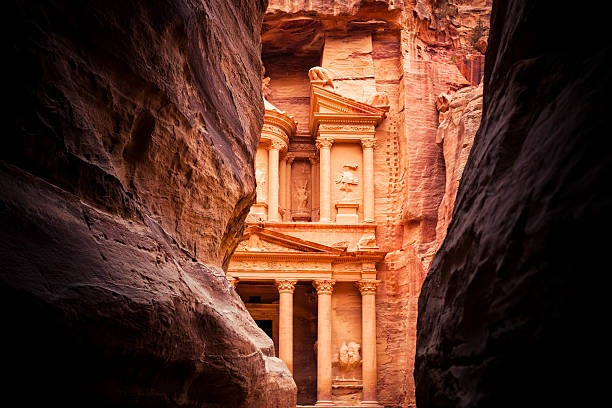
The reveal approaches
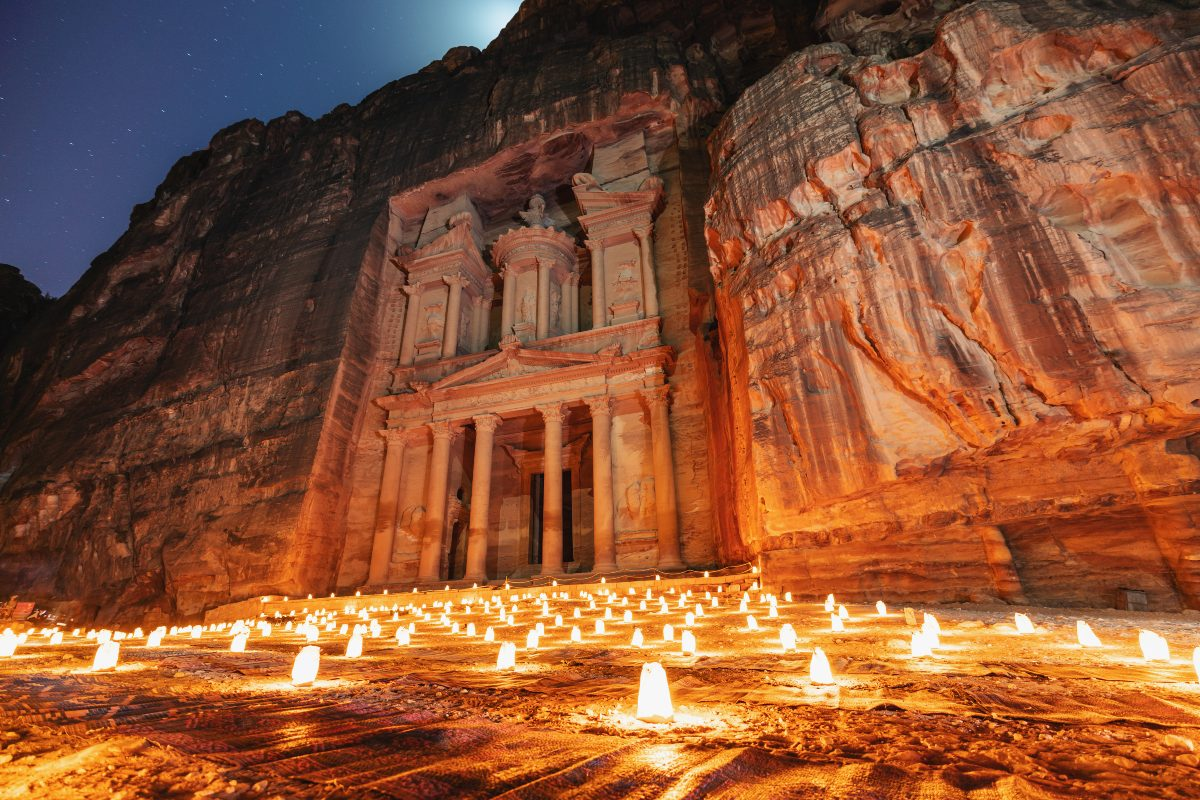
The Masterpiece
AL-KHAZNEH
The Epochs
312 BC
Earliest recorded reference to Petra when Greek general Antigonus I attacked the city.
1st Century AD
The Nabataean Kingdom reaches its peak under King Aretas IV. The Treasury is constructed.
106 AD
The Roman Empire annexes Nabataea, renaming it Arabia Petraea.
1812
Swiss explorer Johann Ludwig Burckhardt 'rediscovers' Petra for the Western world.
1985
Petra is designated a UNESCO World Heritage site.
2007
Named one of the New Seven Wonders of the World.
Hidden Places
The Monastery
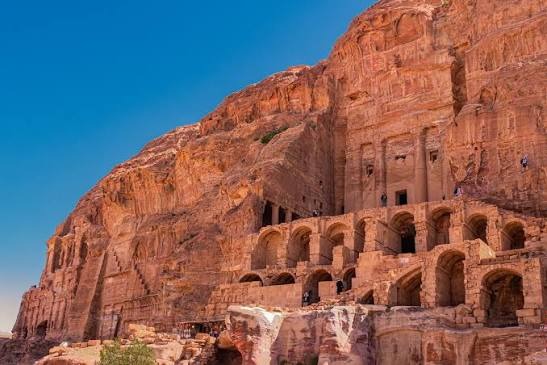
Royal Tombs
High Place of Sacrifice
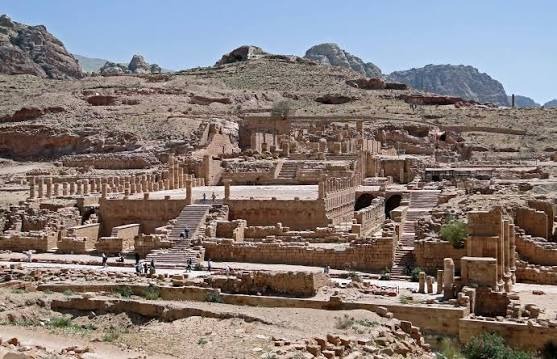
Great Temple
Visions of Petra
ABOVE THE SANDS
Plan Your Visit
Best Time
Spring and Autumn offer the most temperate climate for exploring.
Opening Hours
6:00 AM to 6:00 PM (Summer)
6:00 AM to 4:00 PM (Winter)
Tickets
Available at the Visitor Center. Keep your passport handy for multi-day passes.